
Every letter matters
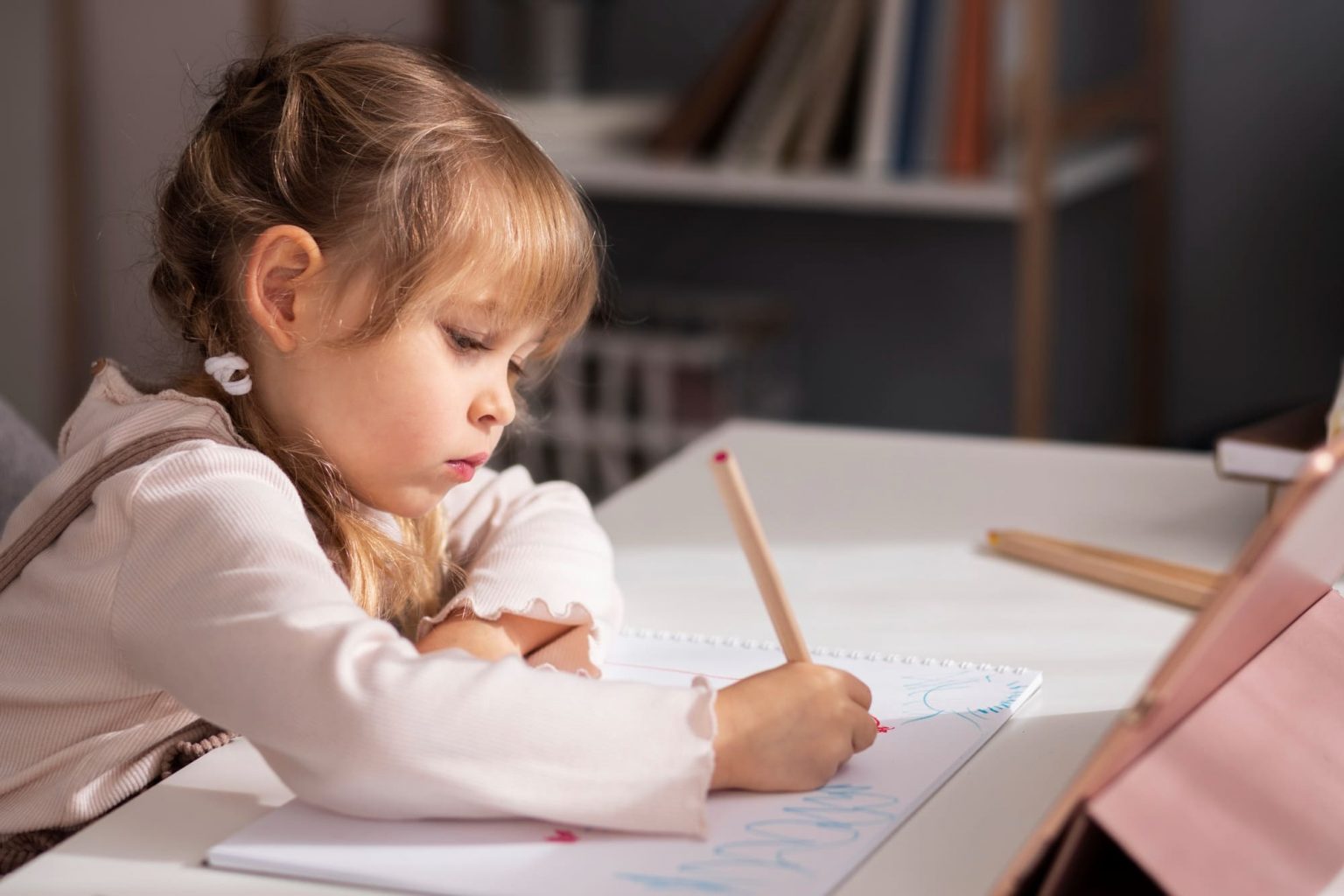
How to Help Your Child Learn to Write Without Pressure
Practical ways to build early writing skills through play, stories, and meaningful messages to real people.
By Inna Goldshtein, Founder of TaleMail
6-minute read
Many children enjoy drawing, telling stories, and leaving little notes until writing starts to feel like an assignment.
A blank page and the instruction “Write something” can be surprisingly difficult. The problem is not always handwriting, spelling, or pencil grip. Often, a child simply does not know what to say or why anyone needs to read it.
Children are usually more willing to write when the task is short, personal, and connected to something they already care about. Instead of beginning with perfect letters, begin with curiosity, play, and a real reason to communicate.
Build Interest Before Teaching Perfection
Before children can enjoy writing, they need to feel comfortable making marks on paper.
Drawing, tracing, labeling pictures, and copying familiar words all help children understand that their ideas can take a visible form. At this stage, confidence matters more than neatness.
Invite your child to write something connected to their own world:
- their name;
- the name of a favorite toy;
- a sign for a pretend store;
- a label for a drawing;
- a short note to someone at home.
A child who resists a handwriting worksheet may happily write “Dinosaur Museum” on a pretend ticket. The physical skill is similar, but the experience feels completely different because the words have a purpose.
Praise the effort rather than judging the result.
Instead of saying:
Make that letter neater.
Try:
You worked hard to make that letter.
When children feel safe experimenting, they are more likely to keep trying.
Let Play Prepare the Hand for Writing
Writing depends on more than knowing the alphabet. Children also need strength and coordination in their fingers, hands, wrists, and eyes.
These skills can develop naturally through play. Building with small blocks, shaping play dough, completing puzzles, using child-safe scissors, stringing beads, and picking up objects with tongs all help prepare the hand for writing.
Drawing is especially valuable. Straight lines, circles, zigzags, paths, and simple shapes teach many of the movements children later use to form letters.
There is no need to turn every activity into a lesson. A child who is building, squeezing, cutting, and drawing is already developing important writing skills.
Turn Stories Into Writing Ideas
Children often struggle with writing because they do not know how to begin. Stories solve part of that problem by providing a character, a place, and something to talk about.
After reading a book or watching a short story, ask one focused question:
What was your favorite part?
What surprised you?
What would you tell the character?
What do you think should happen next?
One answer is enough. Your child can draw it, dictate it, label it, or turn it into one short sentence.
On the TaleMailKids YouTube channel, Mailo travels with children, explores new places, and helps them notice what they could share in a letter or postcard.
After watching an episode, you might ask:
What did Mailo notice during the trip?
Then bring the idea into your child’s own life:
What did you notice today that you could tell someone about?
The response may be simple:
I saw a big dog.
I went to the park.
I liked the dinosaur.
I miss Grandma.
The story provides the starting point. The child supplies the personal detail.
Give Their Words a Real Recipient
Writing becomes more meaningful when another person will actually read it.
Instead of asking your child to fill a page, ask:
Who would smile if they received a message from you?
The answer might be a grandparent, cousin, friend, teacher, neighbor, or someone who lives far away.
Once the child chooses a recipient, the writing task becomes clearer. They are no longer writing “something.” They are telling one person one small thing.
A note or postcard can be very short:
Hi Grandma!
I rode my bike today.
I miss you!
Or:
Hi Emma!
I liked playing with you.
See you soon!
Young children can participate even if they cannot write independently. They can dictate while an adult writes, copy one word, add a drawing, sign their name, choose the recipient, or place the stamp.
What matters is that the child feels:
These are my words, and I made this for someone.
Keep Practice Short and Positive
A successful writing experience does not need to produce a full page.
For a young child, five or ten minutes may be enough. One word, one sentence, or a drawing with a name can still be meaningful progress.
Stop before frustration takes over. Short, positive experiences make it more likely that the child will return to writing willingly.
It is also important not to correct every reversed letter, misspelled word, or uneven line. During personal writing, focus first on the message.
Help when your child asks or when the words would otherwise be difficult to understand. You might say:
Tell me what you want this word to say.
Then write the word nearby so the child can copy it.
Handwriting and spelling matter, but they do not need to be the focus of every writing experience. Sometimes the purpose is simply to share an idea.
Create a Small Writing Ritual
Children gain confidence through repetition. A simple family ritual can give them regular practice without making writing feel formal.
You might send:
- a Friday note to a grandparent;
- a postcard after a family outing;
- a thank-you card after receiving a gift;
- a birthday message to a friend;
- a note in a parent’s lunch bag;
- a “someone needs a smile” message once a month.
The ritual does not need to be elaborate. Its value comes from showing the child that writing has a place in everyday life.
Over time, children begin to see writing not only as a school skill, but as a way to remember, connect, and care for other people.
Try This Today
Ask your child:
Who needs a little message today?
Help them complete three simple steps:
- Draw or write one thing from today.
- Add a greeting and the child’s name.
- Give or mail the message to the recipient.
Do not wait for perfect handwriting. A few sincere words are enough to begin.
The Goal Is Meaning, Not Perfection
Children do not learn to value writing because every letter looks correct.
They begin to value it when they discover that their words can tell a story, preserve a moment, or make someone they love feel remembered.
A worksheet can help a child practice letter formation. A real note, postcard, or letter teaches something different:
My words can reach another person.
That understanding gives writing a purpose and purpose gives children a reason to keep going.

Helping children write, send, and discover the joy of real mail one little message at a time.
© 2026 TaleMail. All rights reserved.